England · Checked 17 September 2026
First: who provides the main day-to-day care?
The Child Maintenance Service, or CMS, considers the actual responsibilities involved in looking after the child. Who organises childcare? Who provides everyday clothes and school essentials? Who arranges medical appointments and looks after the child outside school?
Receiving Child Benefit is one piece of information. A timetable alone does not answer every question. If CMS confirms that both parents provide day-to-day care equally and neither is the main carer, no ongoing CMS maintenance is payable for that child. Any earlier unpaid maintenance remains a separate issue.
Second: how many nights are shared?
Where one parent remains the main carer, overnight stays can reduce the other parent’s payment. For eligible maintenance rates, the first reduction band starts at 52 nights a year. Other bands start at 104, 156 and 175 nights. Special rules apply at some low-income or benefit-based rates.
For example, two nights every fortnight add up to 52 nights in a year before any additional holidays are counted. Two daytime visits every week are not the same as two overnight stays.
These bands adjust a CMS calculation. They are not a reason to choose a timetable that does not suit your child.
When the arrangement changes
- Report the change through your CMS account as soon as it happens, including a change you think may be temporary.
- Explain whether the change concerns nights, day-to-day responsibility or both.
- Follow the request for supporting evidence. Current guidance gives seven days to upload evidence after an online report.
- Continue the payments in your existing plan while CMS considers the change. Read its decision before adjusting payments.
A calendar is useful, but it is not enough for every dispute
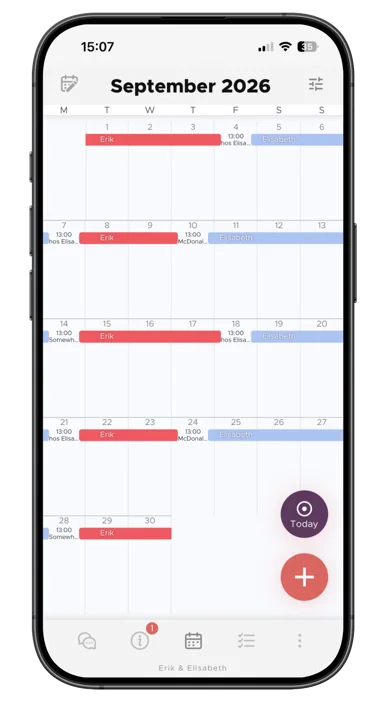
Keep your own record so you can describe what has changed accurately. However, current CMS guidance says it cannot accept private messages, calendar entries, photos or social-media screenshots as supporting evidence of disputed overnight care. It lists current court orders, formal agreements and other official documents instead.
Evidence of who provides day-to-day care can be different, including communication from schools or health professionals and records of childcare costs. If you do not have the documents requested, you can still report a change; explain what information is available.
Keep extra costs clear
A maintenance calculation does not write your whole household budget. If you separately agree to share a uniform or activity fee, record the amount, who pays first and when any repayment is due. Keep that agreement distinct from the CMS payment plan.
This guide explains general rules and services. It does not assess your individual case.
Official guidance and sources
Information checked on 17 September 2026.
Based on the original article by Elisabeth Scholander.