England · Checked 17 September 2026
Plan an ordinary week first
Begin with school, sleep, travel and the care your child actually needs. A schedule that looks balanced on paper may still involve exhausting journeys or difficult handovers. There is no rule requiring every child to divide time equally.
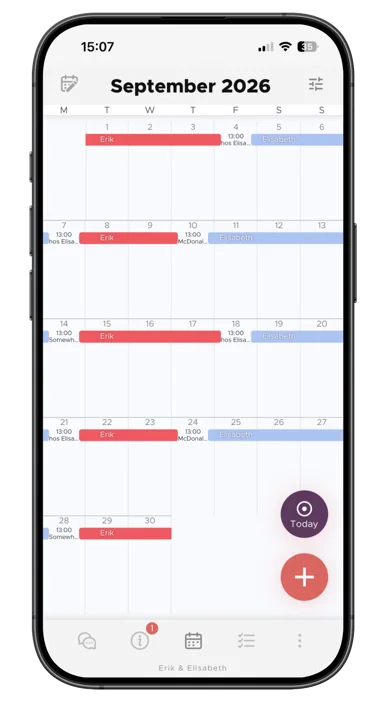
For example, “alternate weekends” leaves several questions unanswered. Does the weekend start at school collection or on Saturday morning? Who collects? Does a school holiday change the arrangement?
Put the practical details in writing
- School days, weekends, holidays and special occasions.
- Collection and return times, the handover place and transport.
- Medicines, school equipment and other items that travel with the child.
- How illness, delays and requested changes will be communicated.
- Phone or video contact that fits the child’s age and routine.
- When the adults will review the plan as needs change.
Listen to what your child finds easy or difficult without asking them to negotiate between you. Where direct discussion involves pressure or intimidation, seek appropriate help instead of trying to complete a joint plan.
What a written plan does—and when an order matters
A written parenting plan records an agreement but is not legally binding on its own. If you want a binding arrangement, you can ask the court to approve a consent order: a court order based on an agreement. The judge checks whether it serves the child’s welfare.
If you already have an order, start with its wording. Parents may agree changes, but a new informal arrangement does not have the same enforceability as an approved change to the order.
If you cannot agree
A mediator can help parents explore options, but cannot impose a timetable. Before a court application, a meeting about mediation is normally required unless an exemption applies. Domestic abuse and urgent danger are among the situations covered by exemptions.
A child arrangements order can specify where the child lives and what contact takes place. It can cover more than overnight stays, including phone contact. The court considers this particular child’s needs, feelings and safety.
When contact raises a safety concern
The court can consider supervision or other protective arrangements and whether contact should happen at all. Supervision means another person oversees time together. An ordinary disagreement and a concern about abuse need different responses.
If an order is not being followed, describe what happened and why, then use the appropriate change or enforcement process. A missed maintenance payment does not, on its own, decide what contact should take place.
This guide explains general rules and services. It does not assess your individual case.
Official guidance and sources
Information checked on 17 September 2026.
Based on the original article by Elisabeth Scholander.