The book they wanted to read
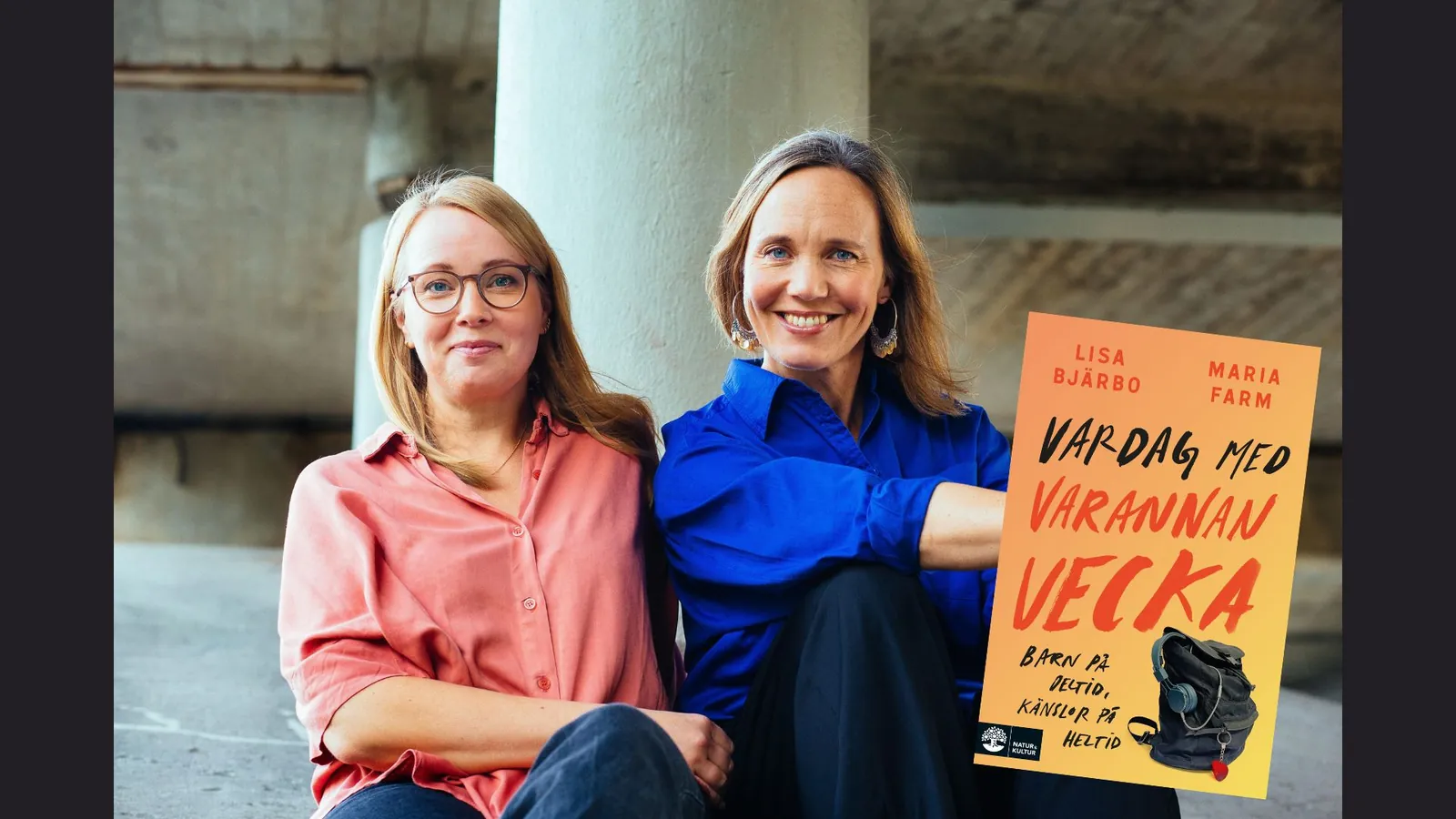
Lisa Bjärbo describes looking for help as her children grew older: “My kids were getting older, and I had questions about living in a shared custody arrangement. I called Maria to ask which book I should read.”
Farm and Bjärbo’s own experience of parenting after separation helped shape the idea. The focus is the life that follows the initial breakup, when families continue making everyday decisions.
What the interviews can tell readers
For the book, the authors say they received nearly 500 responses to a social-media survey and interviewed about 30 parents in depth. Those accounts offer different experiences and questions to recognise in your own life.
This is a book interview, not a report of a representative scientific study. People who choose to answer a social-media survey are not a random sample of all separated families. Their stories do not establish how often something happens or which parenting arrangement produces the best outcome.
Questions that keep changing
The authors describe parents wanting to feel “done” with separation. Their point is that a workable plan may still need attention as children and circumstances change. That does not mean parents have failed to find the one perfect arrangement.
Topics raised in the interviews include finances, expectations placed on mothers and fathers, and parenting children with additional needs. A neurodevelopmental condition concerns how the brain develops and functions; it can affect areas such as attention, communication or learning. Children with the same diagnosis may still have different practical needs.
How to use a book like this
You can read for recognition without treating another family’s experience as instructions. It may help to choose one question that matters now:
- Which part of our week is taking more effort than we expected?
- What would make money or planning conversations clearer?
- Has our child’s age, school life or health changed what they need?
- What support would make the load more manageable?
A book cannot assess a safety concern or replace information about the law and services where you live. You do not have to finish it—or agree with every story—to find one useful idea.
About the book and this interview
Vardag med Varannan Vecka is by Maria Farm and Lisa Bjärbo and is published by Natur & Kultur. Its context and language are Swedish. The interview reflects the authors’ account of their work; it is not a country-specific legal guide.
The quotations and description of the survey and interviews come from the original Co-parenting interview.
Based on the original article by Elisabeth Scholander.