





Separation
Checklist: Separating With Children
Separating with children? A checklist of what to sort out first: where everyone lives, the schedule, handovers, money, sick days, and what to tell the kids.
Some children keep their thoughts and feelings to themselves, and that can worry any parent. The good news: time together, shared activities, and no pressure to talk are often the best ways to reach a child who wants to withdraw.

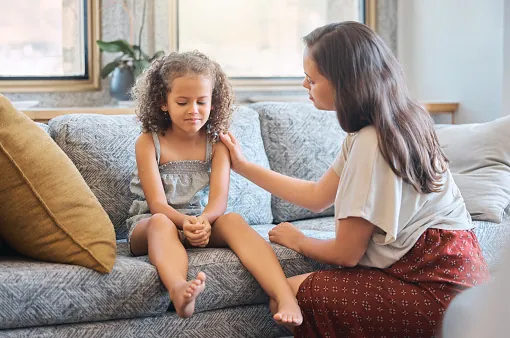
Quiet children who don't share their feelings can become even quieter if we criticize them. The silence often comes from not being able to put feelings into words, or from not feeling safe enough to try. Just like adults, children can find it hard to know what they're feeling. Encourage your child to express their feelings — and be patient if it takes time for them to find the words.
It helps to validate feelings by acknowledging that you can feel several things at once — you can love someone and be mad at them at the same time. Silence can also mean your child doesn't feel what you think they do. Sometimes it takes many hours of doing things they enjoy, offering practical support, or talking about their favorite YouTube videos before they open up to more personal conversations.
Older children and teenagers may pull away from contact and stop being at home, hanging out with friends instead. Others do the opposite: they lock themselves in their room with headphones on and avoid both friends and family life. Sitting in front of a screen or gaming for hours can be a way to rest and escape anxious, churning thoughts. That's understandable when you're feeling down — when there's a lot going on in your head, the energy to interact with others runs out.
When parents worry about a withdrawing child, there's a risk of exploding with demands that the child pull themselves together and come out of isolation. That can make the shutting-in even worse. Supporting them is a balancing act: letting the teenager rest and be alone, while gently breaking the isolation so it doesn't deepen their sadness. Small daily goals often work best — sitting at the dinner table every day, getting some physical activity, and meeting up with a friend now and then.
Malin Bergström Child psychologist, associate professor and author
27 August 2026
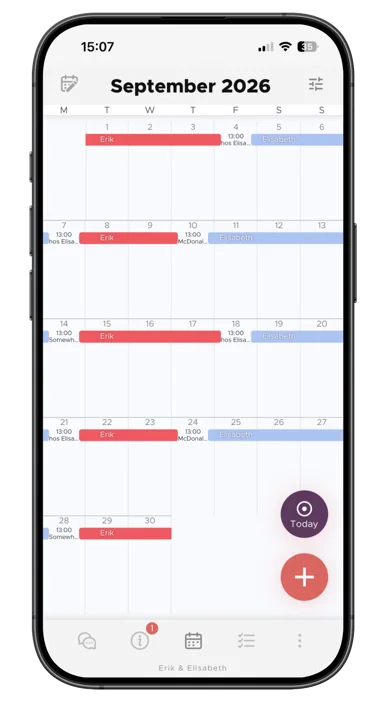
"The turning point came when we found the Every Other Week app. There's less fuss and both of us have a better handle on things. It feels so great!”
"Thank you so much for this app, it has finally gotten us to communicate!”

Separation
Separating with children? A checklist of what to sort out first: where everyone lives, the schedule, handovers, money, sick days, and what to tell the kids.
Separation
What to say when your child asks if you still love each other, or who wanted the divorce. Example answers to six tough questions, from a child psychologist.

Separation
Telling your children about a separation is hard. Child psychologist Malin Bergström on when to tell them, what to say and how to handle the days after.