

Separation
Give Your Child Hope!
Children need to hear that things will get better. Child psychologist Malin Bergström on how to give your child hope while you get through a divorce.
Children argue with the people they feel safest with — and that includes their siblings. Whether the quarrels ramp up or suddenly stop after a separation, they tell you something important about how your children are doing.
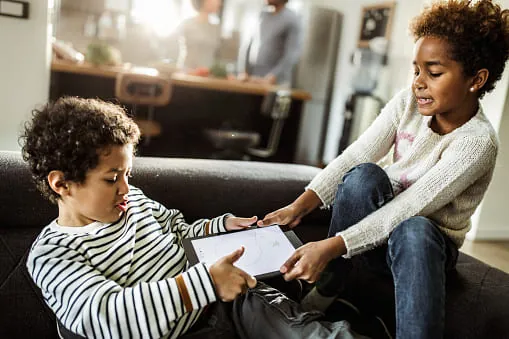
Having a sibling is one of the most important protective factors when parents separate. A brother or sister is someone who shares the experience, someone constant while so much else changes.
At the same time, a separation raises the risk that siblings will quarrel. Just like adults, children tend to argue with the people they are most comfortable with — so anger and frustration over the family change often take the form of conflict with a sibling.
Often the fighting is a sign that a child wants their parents' attention. A pinch on a big sister's arm can be an effective way to win back the attention of a parent who is absorbed in their own thoughts about the separation and everything practical. For most families, separating also means living in tighter quarters. Children who were used to their own rooms may have to share, or squeeze into the family's only bedroom. Crowding raises the risk of quarrels, because the children can't get away from each other without extra consideration. Moving in with bonus siblings can also mean more fighting — both between the original siblings and with the new arrivals. It takes time to knit two family cultures together so that the children feel things are fair and no one is disadvantaged.
Siblings can also react the opposite way after a separation. Pairs who used to argue constantly may suddenly get along and look after each other. If the time before the separation was marked by fights between you parents, that may have raised the conflict level between the children too — anger breeds anger. In that case, the new calm between the siblings can confirm that the separation has made family life more harmonious. But children going quiet can also be a sign of an insecure situation. Children who sense that their parents are struggling and losing their grip on life can become overly considerate, holding back from challenging each other or you. In that situation, the calm at home is a signal that you need to create stability as a parent.
To manage sibling quarrels, you first need to understand what's causing them. Siblings who get on each other's nerves by pestering and never leaving each other alone may need concrete rules before peace can return. Designated quiet spots in the home can help — the child's own bed, the kitchen table, or the couch with headphones on.
Children may also need space of their own, or somewhere to store their things out of a sibling's reach. If you notice your child seeking attention, give them one-on-one moments with you. Maybe you tuck each child in at a different time, or let the siblings switch homes a day apart so each gets an evening alone with you.
When you mediate, it works best to support the children's own conflict-solving instead of supplying the solutions yourself. Ask if they can suggest a way forward, and let each child have their say — no badmouthing each other allowed. Rather than offering sweeping explanations like "you have to understand, she's little," help the children practice seeing things from the other's perspective. A pillow to the head isn't as much fun for the one sitting and drawing as it is for the one who wants a pillow fight. If they check in with each other before starting a game, it gets more fun — and the risk of a fight drops.
Talking about children's fights is a balancing act. In the heat of the moment it does no good — upset children can't listen or think. Scolding afterwards just brings the frustration back. Once the fighting has stopped and everyone has calmed down, it's usually best to think together about how to avoid fights in the future.
Malin Bergström Child psychologist, associate professor and author
27 August 2026
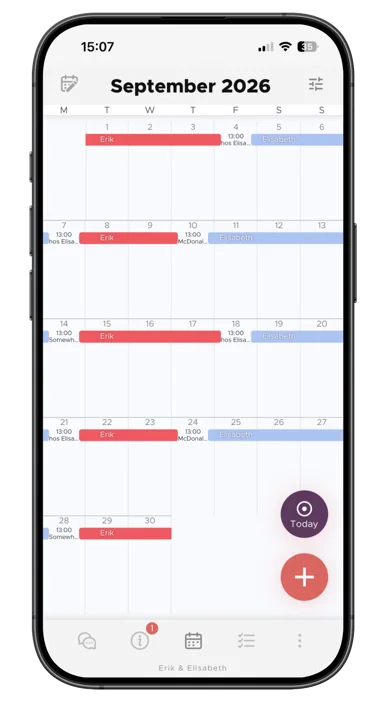
"The turning point came when we found the Every Other Week app. There's less fuss and both of us have a better handle on things. It feels so great!”
"Thank you so much for this app, it has finally gotten us to communicate!”

Separation
Children need to hear that things will get better. Child psychologist Malin Bergström on how to give your child hope while you get through a divorce.
Separation
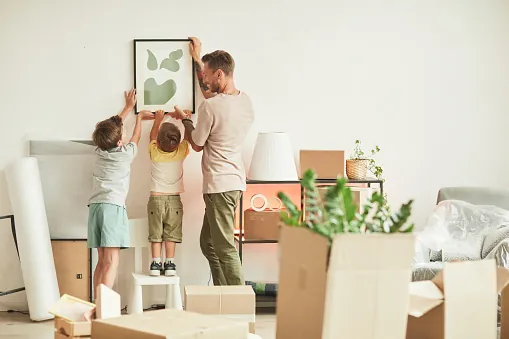
How to make your child feel at home after separation: involve them in the move, create their own corner, and handle a smaller home without a spare room.

Separation
When a parent disappears from a child's life, the child still needs answers. Child psychologist Malin Bergström on how to talk about an absent parent.