





Separation
Checklist: Separating With Children
Separating with children? A checklist of what to sort out first: where everyone lives, the schedule, handovers, money, sick days, and what to tell the kids.
A separation can hit children hard — sadness, worry, and even depression are common reactions. What matters most is that parents and other close adults make time to be with the child and listen to how they are feeling and what they need.

Many children become anxious when their parents separate. School-aged children may feel guilty about things they've done and link them to the separation — "Would everything have been different if I had argued less?" A child may also carry a general unease in their body that they can't quite put into words. These thoughts can be frightening, and they may wonder whether what they feel is "normal."
Teenagers can feel guilty too, wondering if they are feeling the "right" or "wrong" way. Some think they should feel sadder and are scared by their lack of emotion; others worry their reaction was too strong and has weighed on their parents or siblings. Remind children that it is perfectly normal to feel scared and confused during a divorce — and that there is always someone to talk to about it.
Even for older children and teenagers, divorce may be the first hard thing that has ever happened to them. They haven't yet built strategies for dealing with difficulty, and they have no experience of getting through a rough patch and feeling good again. An adult needs to affirm that life includes tough periods — and that you can move forward and see life positively again. A child may believe everything has changed forever and, for a while, lose hope; some say nothing matters anymore after the divorce. That is a normal reaction to sadness, but it carries a risk if it leads to negative choices, like neglecting schoolwork or withdrawing from friends.
To help your child, you first need to work out what the worry and grief are really about. What is your child grieving? Is something in their everyday life not working? Is the worry about money, having to move, or forgetting their things between homes? About being forgotten when parents find new partners, about the future, or about being a "divorce kid"? About how the parents themselves are doing (is mom lonely? does dad drink?), or about unfairness between the parents — money, a new partner, one of them keeping the home? Does the child feel invisible, as if no one has energy for them? Or are they holding back because they don't want to burden parents who are already struggling?
Even if you have many questions you'd love answered, it's usually better to listen than to bombard your child with them. When you make room for conversation and show that you're there, the chances grow that your child will share their worries with you.
To help, you first need to understand what kind of support your child wants. Do they want to talk — or do they need a rest from the pain and a chance to think about something else? Maybe you do something fun together, or they listen to music or meet friends. Being around other people helps when you're worried and sad. Sometimes you simply have to ask straight out: "Do you want me to help you in the mornings so you get to school on time?"
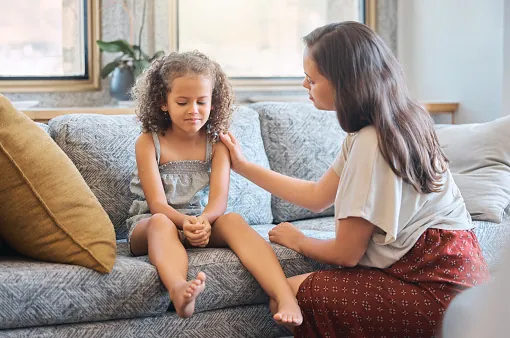
Practical support helps a child relax. Predictability, routines, and more physical closeness usually work well — a child who had grown "too big" to cuddle up next to on the sofa may need that extra security again. Older children and teenagers may need help with logistics, both practical and emotional, if they're worried about a move or about how an older sibling is doing. Encouraging them to invite friends over, or arranging a dinner with friends and their parents, can help break a drift toward isolation.
Many children worry about a parent who is struggling after the separation. Be honest that you are sad or worried, but reassure them that you can handle your feelings, that you can get help processing them, and that you will feel better. Children may also need someone outside the immediate family to talk to — a relative, a family friend, the school nurse, a social worker, or a support group for children of divorce. For a worried, sad child, the most important thing of all is hope that things will get better in the long run.
Malin Bergström Child psychologist, associate professor and author
27 August 2026
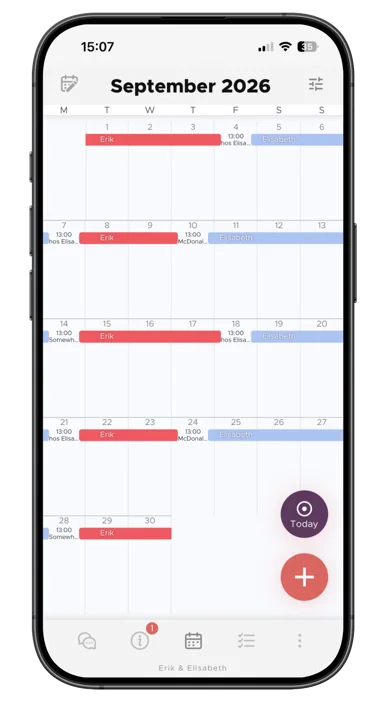
"The turning point came when we found the Co-parenting app. There's less fuss and both of us have a better handle on things. It feels so great!”
"Thank you so much for this app, it has finally gotten us to communicate!”

Separation
Separating with children? A checklist of what to sort out first: where everyone lives, the schedule, handovers, money, sick days, and what to tell the kids.
Separation
What to say when your child asks if you still love each other, or who wanted the divorce. Example answers to six tough questions, from a child psychologist.

Separation
Telling your children about a separation is hard. Child psychologist Malin Bergström on when to tell them, what to say and how to handle the days after.