





Separation
Checklist: Separating With Children
Separating with children? A checklist of what to sort out first: where everyone lives, the schedule, handovers, money, sick days, and what to tell the kids.
Trouble sleeping, a lost appetite, or unexplained aches are common in children after a separation. Small gestures — a favorite dinner, an open door in the middle of the night — go a long way, and so does knowing their parents can still talk to each other.

Physical and mental health are closely connected. Worry and stress can show up as pain, loss of appetite, or difficulty sleeping. Children are still learning to understand themselves and to read their emotions as messengers of what's going on inside. It can be a comfort when you help them see that the headache may be connected to worry after the divorce, or to stress at school.
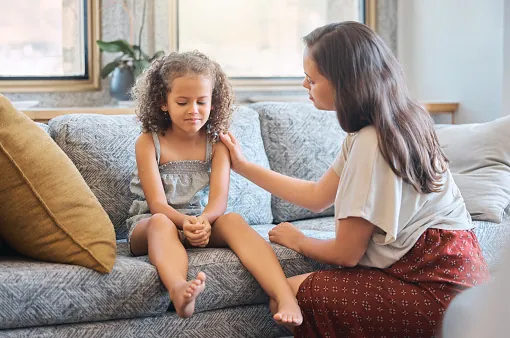
A gentle massage can be a way to get closer to a child with tense shoulders, a stomach ache, or a headache. Remember that the pain is real, whether its origin is physical or psychological. For a child who has trouble sleeping, a bedside chat or a cup of tea in the middle of the night can help. Adults with sleep problems are often told to write down their worries and list what's stressing them; for children, a chat at bedtime or a calm cup of tea in the evening serves the same purpose. Instead of the worries whirling around in their head, you help carry the burden. A child who has slept in their own bed for a long time may need to sleep next to a parent again for a while. It can also help to remove what's stressing them where you can, and to give life enough structure that it feels predictable and understandable.
If your parenting team has a reasonable atmosphere for dialogue, talk together about how best to support your child. A coordinated approach across both homes increases your child's sense of security.
Malin Bergström Child psychologist, associate professor and author
Last updated:
27 August 2026
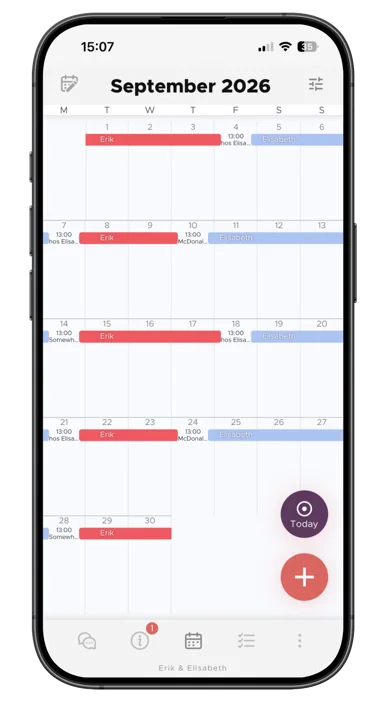
"The turning point came when we found the Co-parenting app. There's less fuss and both of us have a better handle on things. It feels so great!”
"Thank you so much for this app, it has finally gotten us to communicate!”

Separation
Separating with children? A checklist of what to sort out first: where everyone lives, the schedule, handovers, money, sick days, and what to tell the kids.
Separation
What to say when your child asks if you still love each other, or who wanted the divorce. Example answers to six tough questions, from a child psychologist.

Separation
Telling your children about a separation is hard. Child psychologist Malin Bergström on when to tell them, what to say and how to handle the days after.