Maintenance Support in Sweden: A Safety Net for the Child

What is maintenance support, who can get it, and how does it differ from child support? Here's what every separated parent in Sweden needs to know.

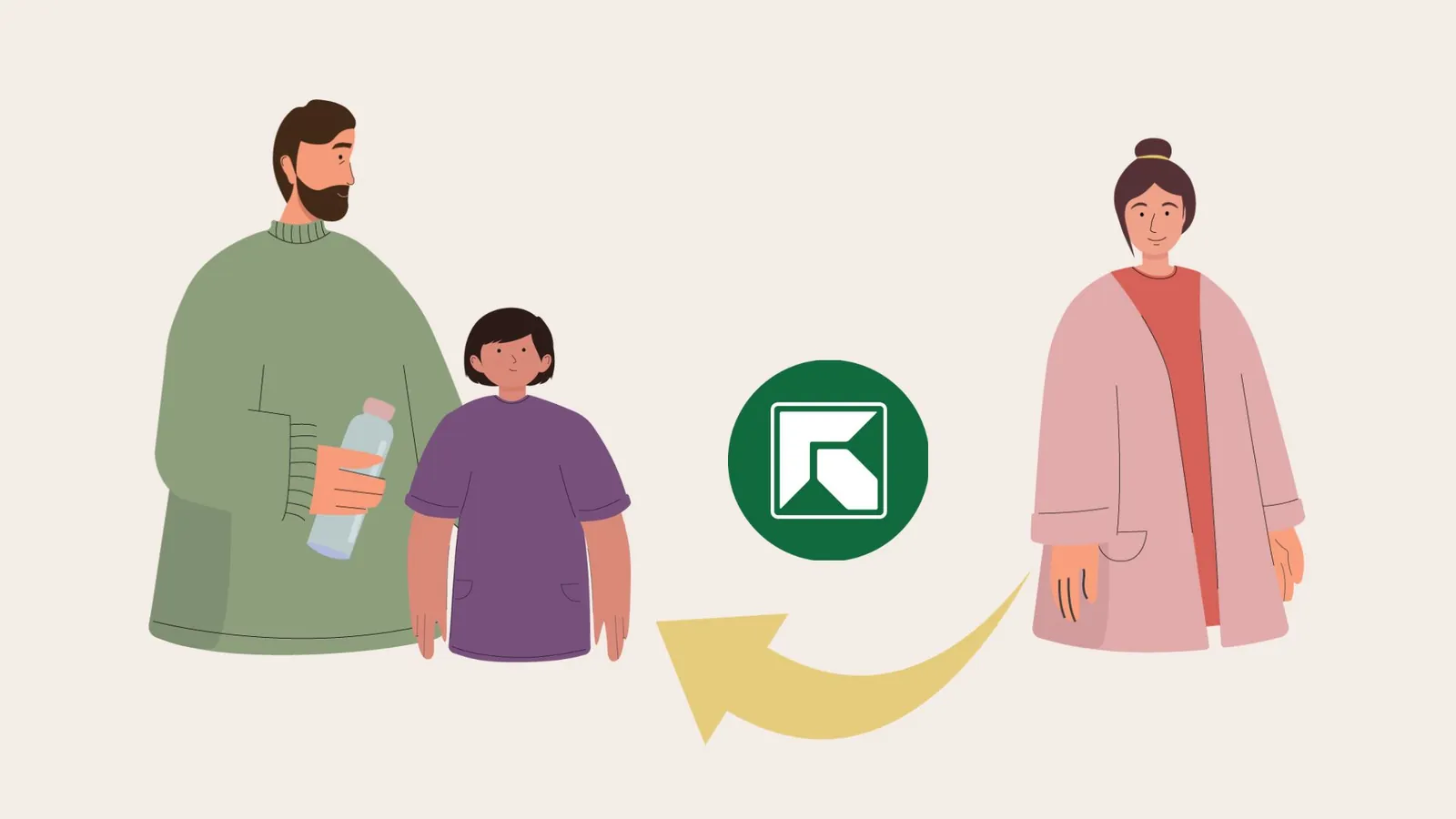
Drawing where an arrow runs from a woman, past the Försäkringskassan logo, to a man standing with a child

What Is Maintenance Support?

Maintenance support (underhållsstöd) is money the child can receive from society when a parent does not take financial responsibility for the child — that is, when the child lives with one parent and the other parent pays no child support at all, or pays less than the maintenance support level. It is paid out by Försäkringskassan (the Swedish Social Insurance Agency) to the parent the child lives with.

The child is entitled to maintenance support until the month they turn 18. A child who is still studying can apply for extended maintenance support up to and including June of the year they turn 20.

How Much Maintenance Support Can a Child Receive?

If the parent pays no support at all, the child can receive "full maintenance support." The amount depends on the child's age:

  • 1,673 SEK per month up to and including the month the child turns 7,
  • 1,823 SEK per month from the month after the child turns 7 until the month they turn 15, and
  • 2,223 SEK per month from the month after the child turns 15.

If the parent pays some child support, but less than the maintenance support level, the child can receive "supplementary support" that covers the difference.

Example: for a three-year-old whose parent pays 600 SEK per month, the supplementary support would be 1,073 SEK (1,673 − 600 = 1,073 SEK).

The Paying Parent Repays Försäkringskassan

When Försäkringskassan pays out maintenance support, the parent who is liable for support must pay the corresponding amount back to Försäkringskassan. Once that parent has paid the correct amount on time for at least six months in a row, Försäkringskassan normally decides that the payments should go directly between the parents, without the agency as an intermediary.

If the other parent poses a threat to the child or to the parent the child lives with, the payments can continue to go through Försäkringskassan. The starting point, however, is that parents should be able to manage the child's maintenance payments on their own.

Child Support (underhållsbidrag) vs. Maintenance Support (underhållsstöd)

Child support (underhållsbidrag) is the amount one parent pays directly to the other for the child. Maintenance support (underhållsstöd) is what the child can receive from society when that child support is not paid — in full or at all.

A child cannot collect both full child support and full maintenance support at the same time. But as described above, Försäkringskassan can top up a child support payment that falls below the maintenance support level with supplementary support.

Good to Know

  • When Försäkringskassan approves maintenance support, the first payment arrives within 10 days. After that, maintenance support is paid on the 25th of each month, in advance for the month ahead.
  • Report any change that affects the child's right to maintenance support — for example, if the other parent starts paying child support directly to you, or if the child starts alternating between both homes.

Elisabeth Scholander Family law attorney and mediator, specialized in conflict resolution for families

27 August 2026

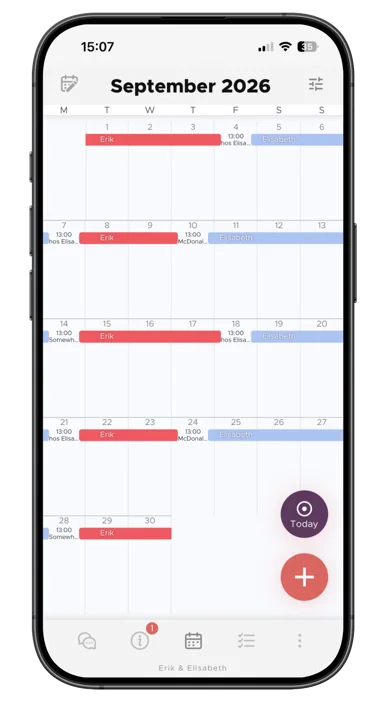
The app's calendar on a phone, showing each parent's weeks with the children as coloured bars

The app that frees up time for what's important

"The turning point came when we found the Every Other Week app. There's less fuss and both of us have a better handle on things. It feels so great!”

"Thank you so much for this app, it has finally gotten us to communicate!”


App ratings: 4.4 on the App Store and 4.7 on Google Play, four of five stars filled on each

Related reading

Research

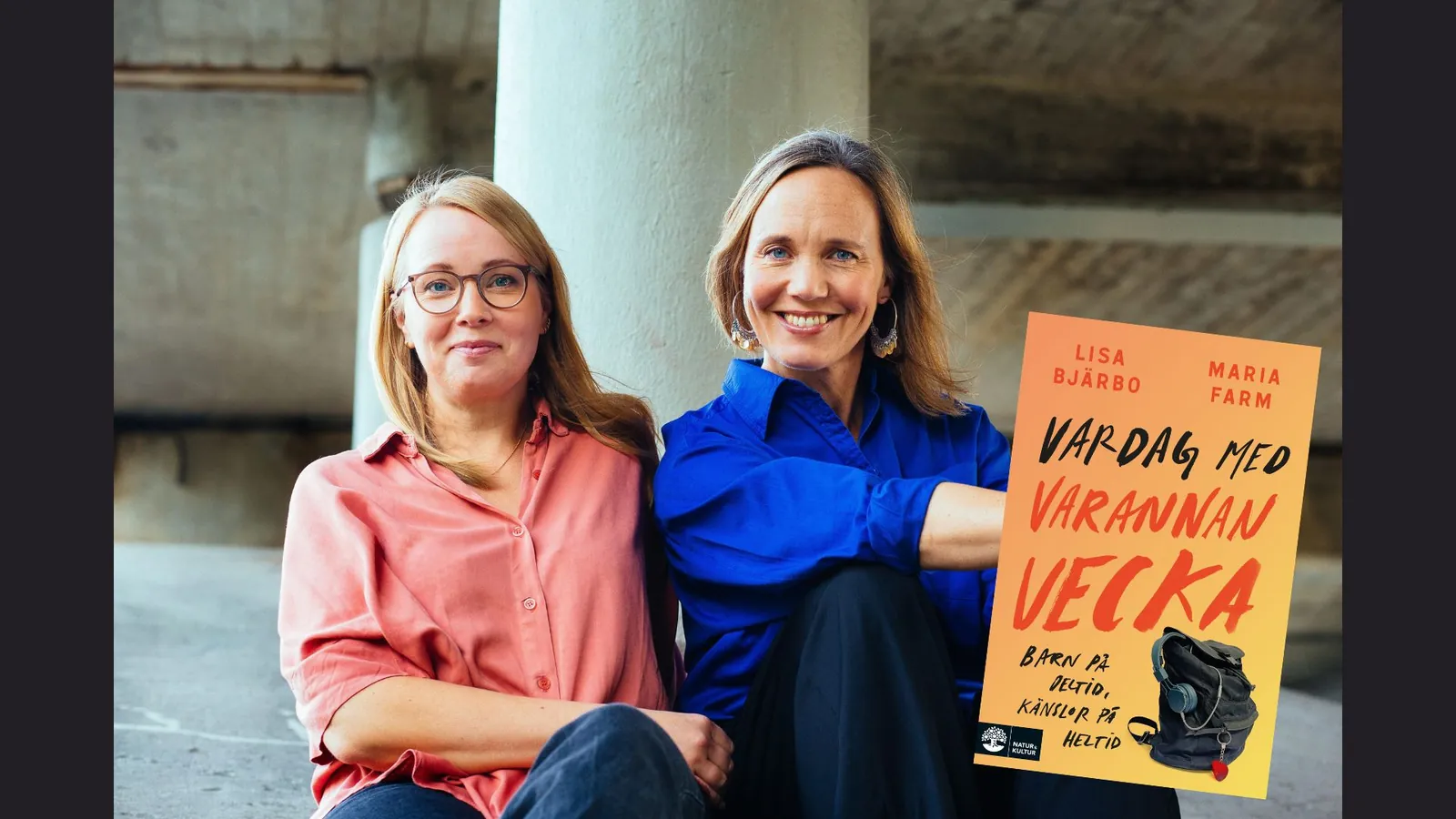
New Book: "Vardag med Varannan Vecka"

Psychologist Maria Farm and journalist Lisa Bjärbo wrote the book they missed about life in two homes — on money, equality and kids with special needs.

Read article

Research

Living in Two Homes: Why Sweden Is Different

Nowhere is alternate living as common as in Sweden. Child psychologist Malin Bergström on why everyday contact with both parents matters for children.

Read article