Research
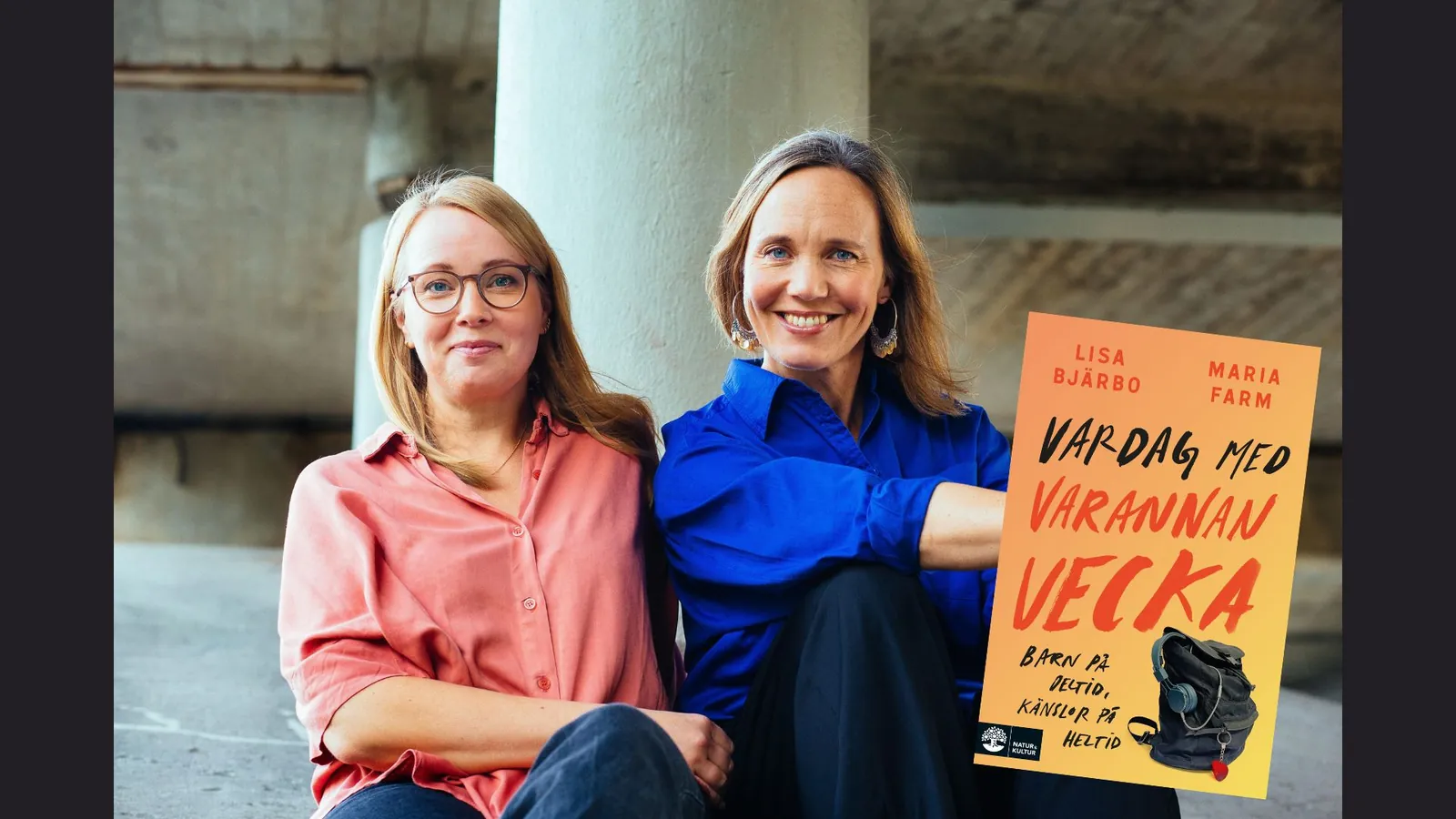
New Book: "Vardag med Varannan Vecka"
Psychologist Maria Farm and journalist Lisa Bjärbo wrote the book they missed about life in two homes — on money, equality and kids with special needs.
Saving for your child works a little differently once you're separated. Magnus Hjelmér, everyday economist at ICA Banken (a Swedish bank), explains what to keep in mind — with a short summary at the end.

When a child has a savings account or fund account in their own name, both guardians manage it until the child turns 18. This applies even if you are separated, and even if one of you only starts saving in the child's name after the separation. Some banks let you set up the account so that neither of you can withdraw money alone — one parent always needs the other's authorization. Otherwise, you both manage the account freely, without needing the other's permission. Check with your bank what applies to you.
If you want to close the account, the money must be moved to another account in the child's name — which both guardians then manage as well. Another option is a locked child savings account. In that case, the chief guardian (överförmyndaren) in your municipality must consent to every withdrawal.
If you have funds or stocks saved for your child, you need to keep managing those investments after the separation. Talk about who will look after the money and the investments, and agree on what level of risk you both accept. Higher risk can mean much more money in the end — but also bigger losses if the market crashes.
Money you deposit into a savings or investment account in a child's name counts as a gift. The child owns the money, and taking it back — for example by transferring it to your own account or spending it on yourself — is a crime. The child's guardians manage the money until the child turns 18 and gains full access to the account. If you as a guardian withdraw money, it must be used for something that benefits the child.
A common solution is to open a savings account or an ISK (investeringssparkonto, a Swedish investment savings account) in your own name and save for the child there. The advantage is that you fully control the money and the withdrawals, and you decide when the child gets access. If you choose this route, I recommend writing a will that makes clear the money is earmarked for your child if you were to pass away. At icabanken.se you can read more about different ways of saving for children.
An account in the child's own name is managed by both guardians until the child's 18th birthday. If you have funds or stocks for the child, agree on how the savings will be managed after the separation. If you save in your own name, you control the money and withdrawals completely — but write a will so it's clear the money should go to your child.
Magnus Hjelmér Everyday economist at ICA Bank
27 August 2026

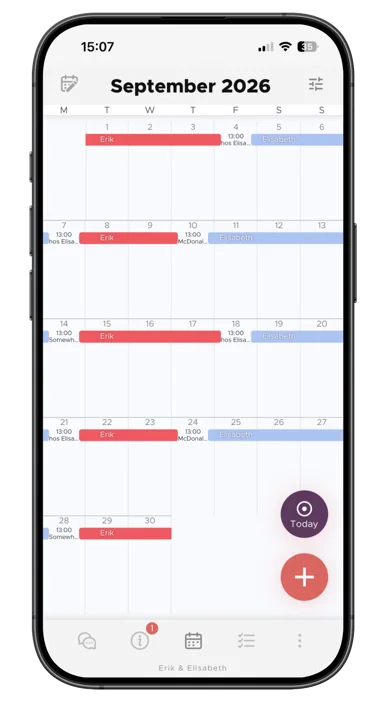
"The turning point came when we found the Every Other Week app. There's less fuss and both of us have a better handle on things. It feels so great!”
"Thank you so much for this app, it has finally gotten us to communicate!”


Research
Psychologist Maria Farm and journalist Lisa Bjärbo wrote the book they missed about life in two homes — on money, equality and kids with special needs.

For Children
Two homes can be a good thing for kids: more one-on-one time with each parent, more caring adults around, special traditions, and a calmer everyday life.

Research
Nowhere is alternate living as common as in Sweden. Child psychologist Malin Bergström on why everyday contact with both parents matters for children.